Building Connections: Your Partner in Custom Homes

Creating a custom home is more than just a construction project; it’s about building connections that last a lifetime. Whether you are a first-time homeowner or looking to upgrade your living space, understanding the journey of custom home building can transform your vision into reality. This post will guide you through the essential aspects of building a custom home, emphasizing the importance of collaboration, planning, and execution.
Understanding Custom Homes
What is a Custom Home?
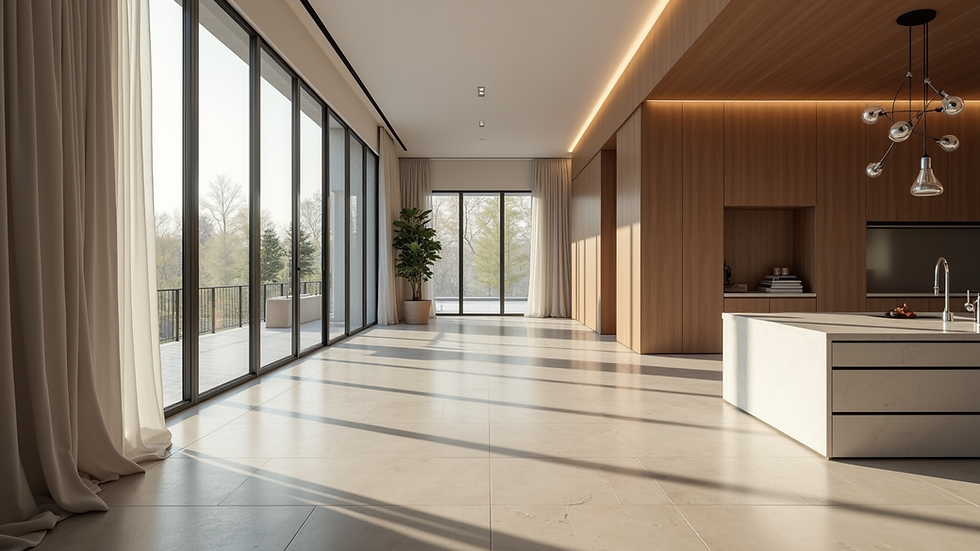
A custom home is a unique dwelling designed and built according to the specific preferences and requirements of the homeowner. Unlike standard homes, which are built from pre-existing plans, custom homes offer the flexibility to choose everything from the layout to the materials used. This personalization allows homeowners to create a space that truly reflects their lifestyle and tastes.
Benefits of Building a Custom Home
Personalization: You have the freedom to design every aspect of your home, ensuring it meets your needs and preferences.
Quality Control: Building a custom home allows you to select high-quality materials and finishes, leading to a more durable and aesthetically pleasing result.
Energy Efficiency: You can incorporate energy-efficient features and technologies, reducing your long-term utility costs.
Location: You can choose the perfect location for your home, whether it’s in a bustling city or a serene countryside.
The Custom Home Building Process
Step 1: Define Your Vision
Before you start the building process, it’s crucial to define your vision. Consider the following questions:
What is your budget?
What size home do you need?
What style do you prefer (modern, traditional, etc.)?
What features are essential for your lifestyle (home office, outdoor space, etc.)?
Step 2: Find the Right Team
Building a custom home requires a team of professionals, including:
Architects: They will help you design your home and create blueprints.
Contractors: They manage the construction process and ensure everything runs smoothly.
Interior Designers: They assist in selecting finishes and furnishings that align with your vision.
Choosing a team that communicates well and shares your vision is vital for a successful project.
Step 3: Create a Detailed Plan
Once you have your team in place, it’s time to create a detailed plan. This plan should include:
Timeline: Establish a realistic timeline for each phase of the project.
Budget: Outline your budget, including a contingency fund for unexpected expenses.
Design: Finalize your home’s design, ensuring it meets your needs and complies with local regulations.
Step 4: Begin Construction
With a solid plan in place, construction can begin. During this phase, regular communication with your contractor is essential. Schedule site visits to monitor progress and address any concerns promptly.
Step 5: Final Touches and Move-In
As construction nears completion, focus on the final touches. This includes:
Landscaping: Enhance your home’s curb appeal with thoughtful landscaping.
Interior Decor: Add personal touches to your interior spaces, making them feel like home.
Final Inspection: Conduct a thorough inspection to ensure everything meets your expectations before moving in.
Building Connections with Your Custom Home
The Importance of Collaboration
Building a custom home is a collaborative effort. Open communication with your team fosters a positive working relationship and ensures that everyone is on the same page. Regular meetings can help address any issues that arise and keep the project on track.
Engaging with the Community
As you build your custom home, consider how it fits into the larger community. Engaging with neighbors and local businesses can create a sense of belonging and enhance your living experience. Attend community events and get to know those around you; this can lead to lasting friendships and support networks.
Sustainability and Environmental Considerations
In today’s world, sustainability is more important than ever. When building your custom home, consider incorporating eco-friendly materials and energy-efficient systems. This not only benefits the environment but can also lead to long-term savings on utility bills.
Real-Life Examples of Custom Homes
Case Study 1: The Modern Family Home
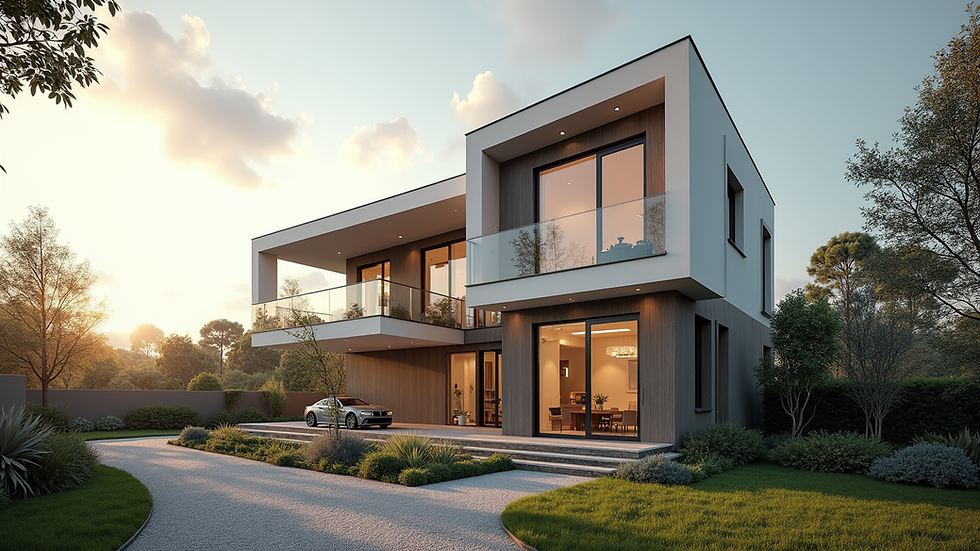
A family in a suburban neighborhood wanted a home that reflected their modern lifestyle. They collaborated with an architect to design an open-concept layout with large windows for natural light. The result was a stunning home featuring sustainable materials and energy-efficient appliances, making it both stylish and eco-friendly.
Case Study 2: The Rustic Retreat
A couple sought a peaceful retreat in the countryside. They envisioned a rustic home that blended with the natural surroundings. By using reclaimed wood and stone, they created a warm and inviting space that felt like a true escape from the hustle and bustle of city life.
Tips for a Successful Custom Home Experience
Stay Informed: Educate yourself about the building process and stay involved throughout.
Be Flexible: Understand that changes may be necessary as the project progresses.
Trust Your Team: Rely on the expertise of your architects and contractors to guide you.
Document Everything: Keep records of contracts, communications, and decisions made throughout the process.
Conclusion
Building a custom home is an exciting journey that requires careful planning, collaboration, and a clear vision. By understanding the process and engaging with your team, you can create a space that not only meets your needs but also reflects your personality and lifestyle. Remember, the connections you build during this process are just as important as the home itself. Embrace the journey, and soon you will be enjoying the home of your dreams.
Take the first step today by reaching out to a custom home builder and start turning your vision into reality!

Comments